

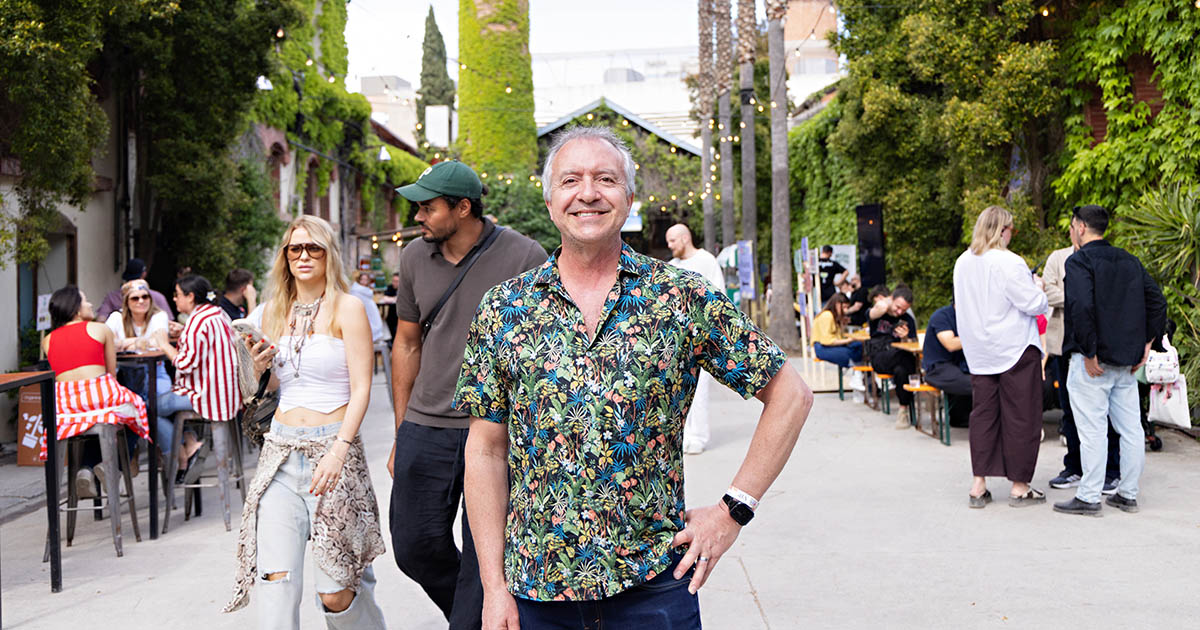
For the past four years, we have collaborated with Torres Brandy in Canada to promote their annual global competition, Torres Brandy Zero Challenge. Over these years, we have helped with the National Finals in Canada and for the past 3 years, we have had the pleasure of heading to Barcelona to witness the Global Finals for this competition. Of those 4 times that this competition has taken place, Saskatoon’s Jason Strohan has represented Canada twice there at the Global Finals.
The Torres Brandy Zero Challenge is a sustainable bar project competition. Hospitality folks from across the world, pitch their idea to the judges and one wins the whopping prize of 30,000 Euros to make their dream come to life. If you have been following along with us over this time, you know how much we love this challenge and it’s mostly because we know real positive change comes from it. We are also big fans of Jason Strohan because he is a bar owner that doesn’t just talk about doing something – he actually makes it happen. He cares so deeply about sustainability and that shows in what he has created with his restaurant, Saint Tropez Bistro, and bar, Parlor. He proves that no matter the climate of where you live, you can do great things, you just may have to get a little creative. We caught up with Jason when we were all in Barcelona in April for the finals for the Torres Brandy Zero Challenge which took place at Barcelona Cocktail Festival where he told us about the project he presented this year called Forgotten Fruit.
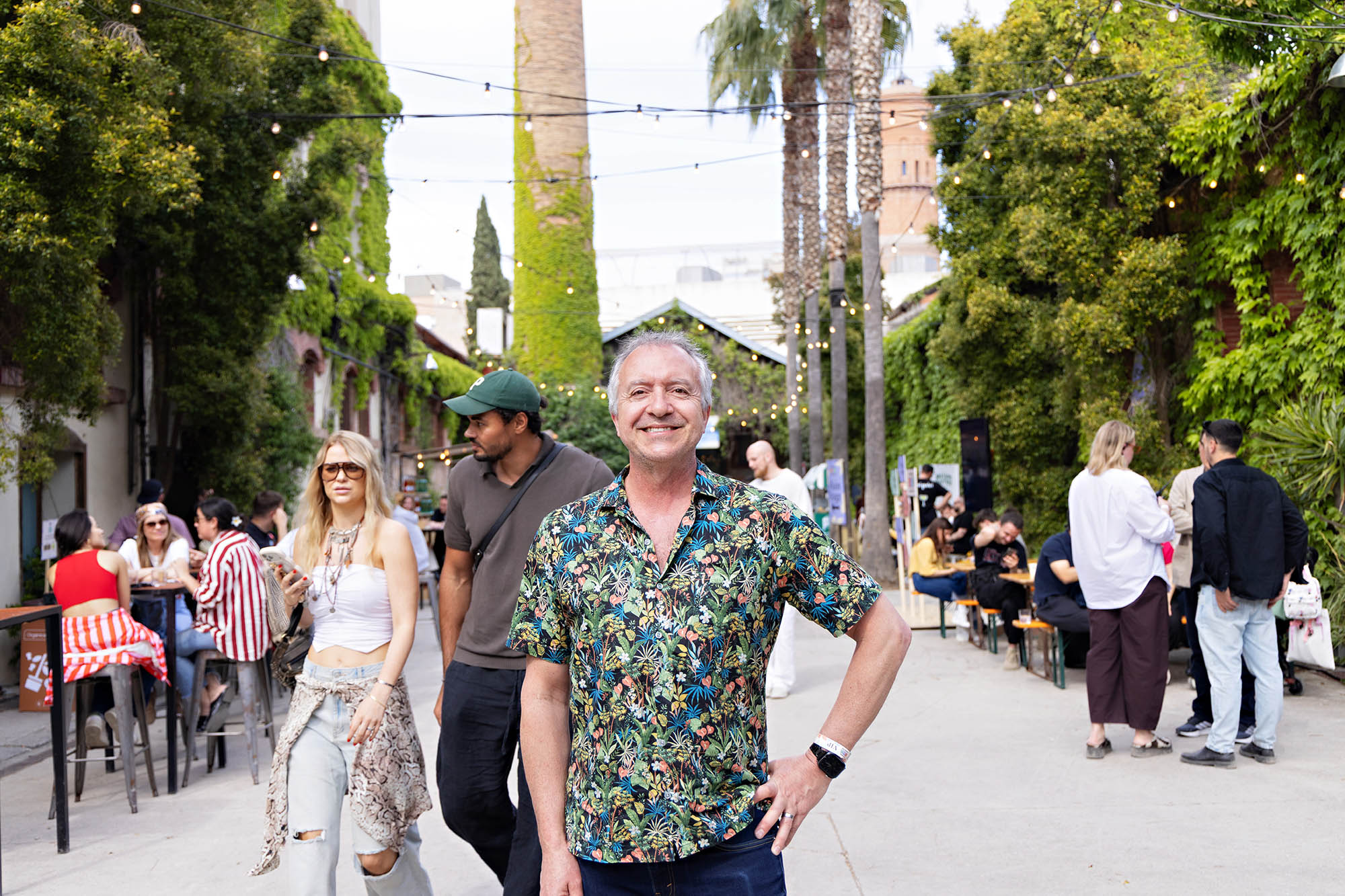
Bartender Atlas: Jason Strohan, tell us about your project Forgotten Fruit.
Jason Strohan: The essence of what we are doing is collecting fruit around Saskatoon that otherwise would fall to the ground unused. A single tree will give you up to 330 pounds of fruit a year and a lot of families can’t use that much. A lot of people also don’t have time to harvest the fruit. So if they don’t, they can give us a call. We’ll then come out and pick it for them, take it down to our business and make it into some fantastic cordials and dehydrated garnishes for cocktails.
BA: What was the inspiration for the project?
JS: Well, I hate seeing food go to waste and I started noticing how much was wasted. My own mom every year would pick 150 pounds of raspberries for us from her yard for us to use at our business. It’s a lot. She has a big yard and I guess that’s where I get it from – enjoying picking fruit. At my mom’s age, she’s actually started having a bit more difficulty spending the long hours doing that and in recent years it’s only been a hundred pounds of raspberries. A bunch are falling to the ground and rotting and then a bunch of wasps come in and then she can’t enjoy her yard as much. So I thought we could offer a service like this to a lot of people that are aging in our community so they can see their food go to good use and continue to enjoy their yards.
BA: You mentioned already that you go pick it up. How does that work?
JS: Right now, we’re just driving over in our own vehicle and picking it whenever we can squeeze in the time. Then we’re bringing it back down to work and processing it. I recently bought a freeze dryer, which has been absolutely incredible. I’ve only played with it for two months but it’s showing some great potential for some really interesting new cocktails that will be coming up on the menu. The preservation aspect is fantastic because we don’t need the extra fridge or freezers to store the product.

JS: It’s a way… like when people have the excess fruit other than us coming to pick it. Maybe they enjoy picking their fruit as well but have too much.
We’re going to give them an option to contact us on a website that we’ll set up or a dedicated social media page and they can bring that fruit right down to our business for us. Then we’re going to give them a gift card to our bar and restaurant or to one of our partner businesses that want to come on and use some of the finished product which they’ll be able to pay for with gift cards from their contributions. Therefore, the person that brings the fruit to us can have a choice to visit any one of the other local restaurants or bars in our community in return for giving us their excess fruit. So this is going to be a great thing for supporting small local businesses and developing a circular economy in our city.
BA: That was literally my next question – how does it benefit your bar? And I feel like you’ve nailed it. You get people who otherwise maybe wouldn’t stop in coming to check things out.
JS: Yeah, it’s going to introduce people to our bar and to other of our friends’ businesses in the city. I really think it’s going to have a little side interest of somebody who, say, brings down and donates their apples or cherries or plums from their tree and we end up making a cocktail with it on the list. They’re going to bring some friends down to say, “Hey, this drink has some fruit from my yard in it. You gotta taste this”, right?
You’ve got good staff, you want them to have part ownership of the building and now you’ve got your entire community who has part ownership of the cocktail list. There’ll be different flavours from different neighbourhoods in the city on our cocktail list, or on the food menu in our restaurant as well. We also make some chutneys.
We do an apple chutney for our tourtière in the restaurant downstairs. Apples really produce in abundance. So that is gonna be – right now – I think what we get a lot of from our own tree but I know a lot of people that have apple trees in the yard. That was one of the things I was showing in my project presentation was an apple tree a couple blocks from my house with over a hundred pounds of apples that are on the sidewalk rotting that I walk past each year. So this is a plentiful product in our city.
BA: Yeah, speaking of your city, Saskatoon, not a crazy, long-growing season, and you’ve managed to institute this in Saskatoon, you feel like it’s easily replicable in other cities?
JS: Yeah, you know when I’ve traveled to different cities around the world, I see fruit trees. I was down in Guadalajara in September and I saw, what was it? Guava! Guava fruit falling. I could smell it first as we’re walking the block, this sweet smell of guava and also we see all these guavas all over the ground and we’re walking right past it to a cocktail bar across the street which surprisingly didn’t have a cocktail with guava on their menu and so this is something that you don’t need tens of thousands of dollars to do.
Like I’ve been doing this with our place just a little bit at a time. You can literally do it as you’re walking somewhere with an ice cream pail that you have left over and fill it up with raspberries down a back alley someday to make it just for one weekend, right?
BA: Back Alley Raspberry Sour? I’ll try it!
JS: Yeah
BA: How do you see this evolving? How are you gonna grow it? How does it change over time?
JS: What we’re proposing is we’d offer a base set up business plan on a website that people in other cities could use to help them get it set up with the type of equipment they would need, which is really basic, really minimal. We’re talking some ladders and pails or storage containers and a juicer or just some good elbow grease to juice the fruit.
And then we’ll set that up, offer that on a website and social media showing how to make different cordials. It can be done anywhere in the world on any scale.
One thing I looked into is, over this next year, perhaps next summer, we’ll produce or be able to divert 5,000 pounds of fruit. That’s my goal over the next year in our city. And when I looked into it, it’ll reduce methane by somewhere between 600 to 19,000 kilograms of methane from going into our atmosphere. We could get 20 cities around the world to do the same program over five years. It’d be over a million kilograms of methane reduction. And methane has like 86 times the heat trapping capability of CO2, which I was shocked when I read about that. So I think this is something that can make an actual impact and quite quickly to our climate.
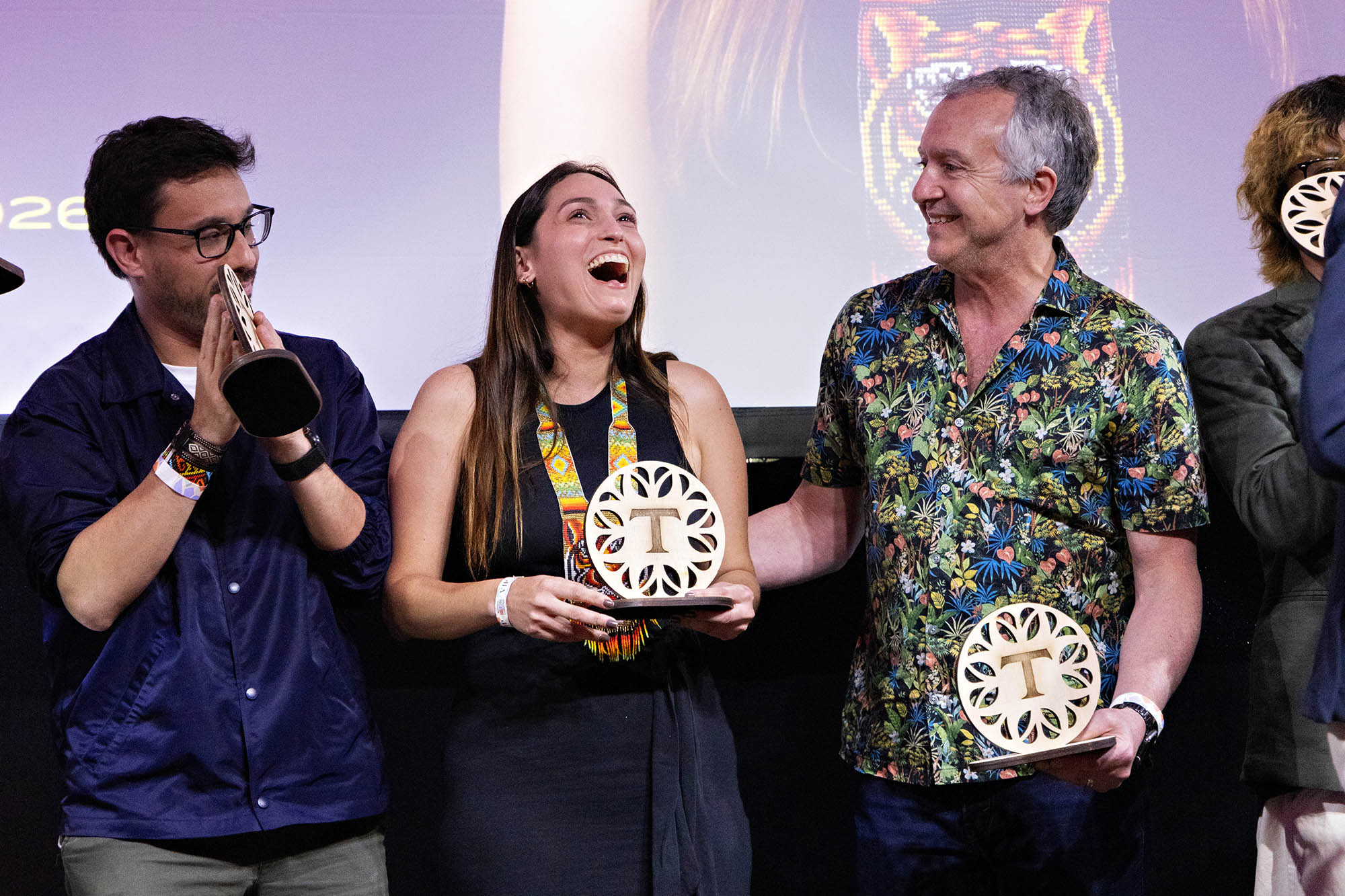
BA: How’s it been sharing this project and your entire experience working with the Torres Brandy Zero Challenge?
JS: Torres has been absolutely fantastic. I’ve followed them and been involved with the Torres Brandi Zero Challenge. This is the fourth year. I think it’s incredible what they’re doing as a whole, as a company with all of their environmental initiatives.
They started back in 2008 trying to make a change and save our planet. It’s something they’re not doing it for money but for the right thing. The team here in Barcelona has been absolutely fantastic and of course our Canadian Ambassadors have been the most warm and helpful. They want to see us succeed. They want to have new ideas and make a change. Amazing.


