

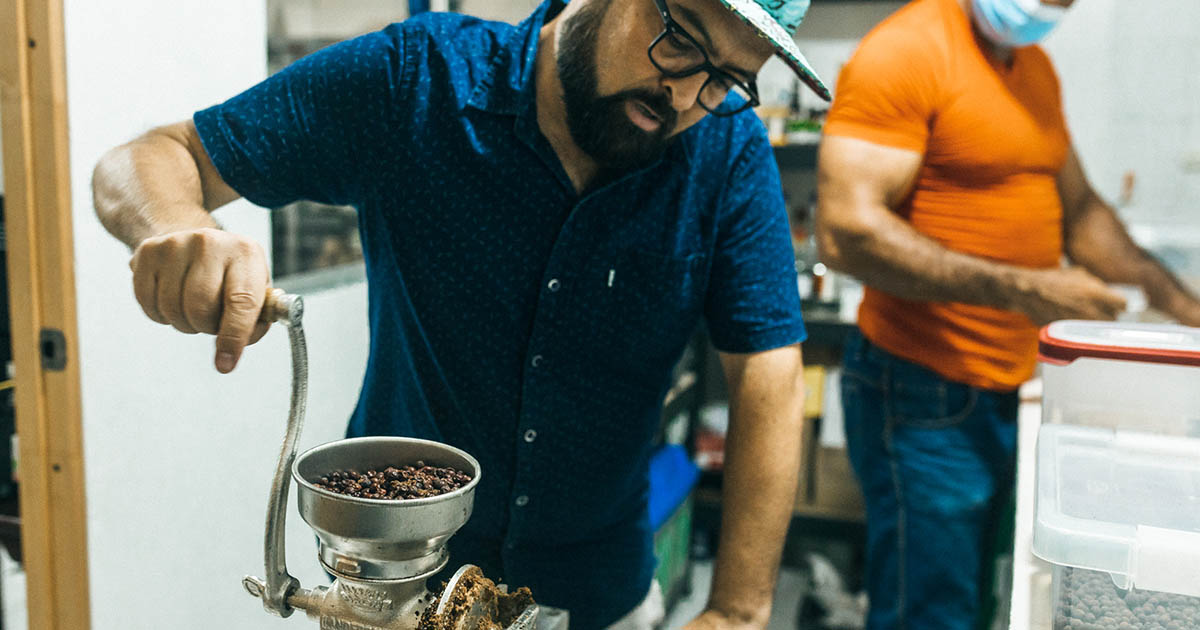
Back in 2017, I wrote an article for Bartender Atlas about my experience of traveling in Latin America, with the intention of taking a step back from bartending, and how that didn’t quite go as planned. Sucked into the cocktail scene everywhere I went (Mexico City, Panama, Medellín and Bogotá) I was unable to resist the pull of the bar and ended up making drinks, training staff, developing cocktail menus and improving pricing and inventory systems before I could stop myself. My year away ended, unexpectedly, with me landing in Zurich to learn how to distill gin. Then at the end of 2018, after another year back in Toronto bartending at Bar Raval, I returned to Colombia. This time to launch Selva Gin, the country’s first London Dry Gin.
Back in 2018, the argument for making gin in Colombia was strong. The ‘gintonic’ craze had just hit the country the previous year or so, and both gin and tonic water were flying off the shelves. The global gin boom had of course started several years before, with seemingly every country in the world having seen a growth of both gin consumption and gin brands, but the trend hit Colombia a bit later than most. There were new gins coming out of countries such as Germany, Australia, Thailand, South Africa and the Philippines, to name just several. Almost everywhere, even in the UK, people were now drinking their gin and tonics, not in a rocks glass, but in a huge goldfish bowl of a ‘copa’ glass, inspired by the Spanish style of serving. During a previous visit to England, en route to Switzerland, I had naively set out to try every new craft gin from my county (East Sussex), before realizing that there were over 300 new craft gins just from my region alone that I hadn’t yet tried! I quickly abandoned the idea, deciding that neither my wallet nor my liver would sustain me through a project of that scale.
Given that the character of gin is defined less by its base alcohol and more by the selection of its botanicals, Colombia seemed like the perfect place to launch a gin, given its global status as the second-most biodiverse country, after Brazil. Colombia is home to a variety of climates ranging from blisteringly hot dry plains to incessantly humid coasts and tropical jungles, to a capital city that could rival London for its constant dampness and grey skies. This means that it abounds in a wide variety of different herbs, seeds and fruits, some of which aren’t found elsewhere in the world, such as corozo and limón mandarino – both of which made it into the recipe for our gin. On my first trip here in 2017 I met the people that eventually became my business partners. Philip Angst, a Swiss-born restaurateur living in Medellín, and two Colombians: Juan David Zapata, one of the best known bartenders in the country – who, conveniently, already had a tonic water brand – and the eccentric José ‘Chato’ Barbosa, one of its best known chefs, who looks like Salvador Dalí crossed with a member of Slayer. We started the company officially in 2019 and with the paperwork delays, and COVID, finally launched in 2021.
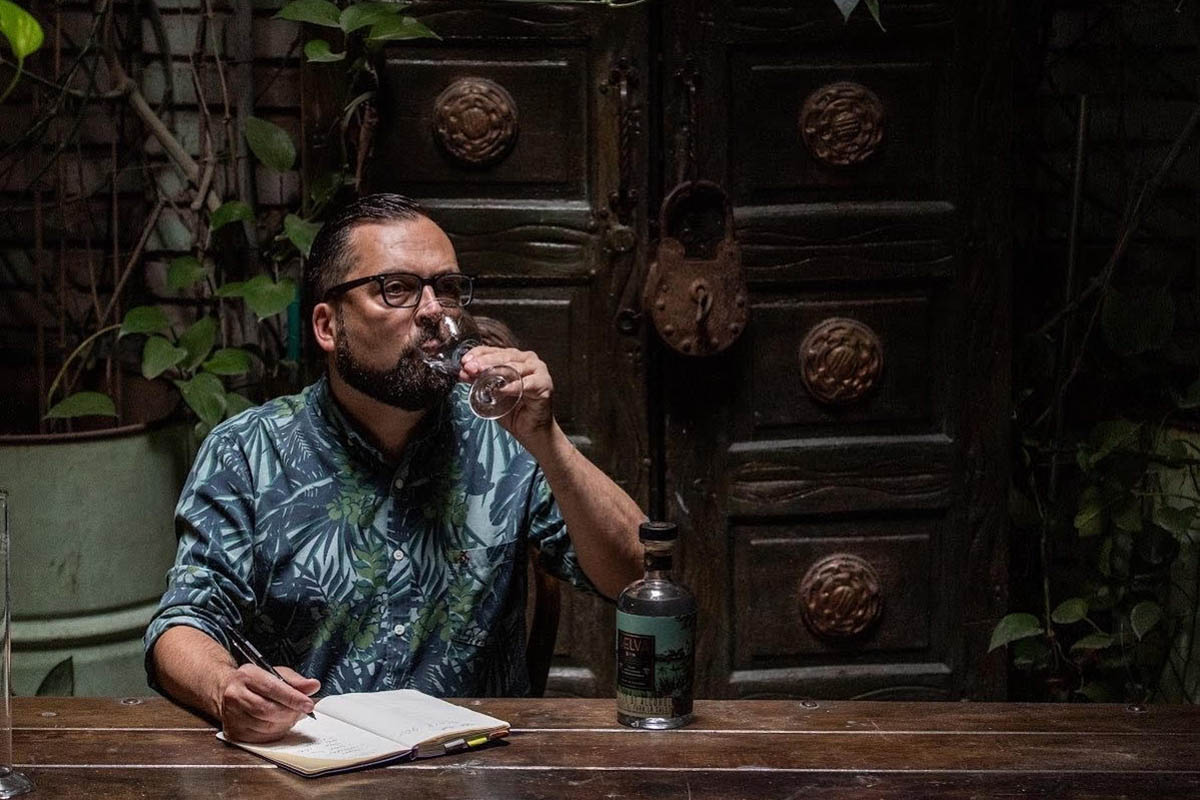
In terms of South American gin, Argentina had made a name for itself by launching hundreds of craft brands, several of which went on to win gold medals in spirits competitions, as well as scoring lucrative export contracts. Meanwhile, many other neighbouring countries (Peru, Chile, Brazil) had at least a handful of up-and-coming gins, but Colombia had zero. At the time, the closest thing available was a headache-inducing, barely drinkable ‘Licor de Ginebra’ that was neutral alcohol, of dubious provenance, sweetened with an artificial ‘juniper’ extract and bottled at 25-30% ABV. It tasted like a slightly pine-tinged liquid candy and the hangover, even after just a couple of drinks, made it something better off avoiding. But a real London Dry gin, nowhere to be found.
So why was Colombia practically the only country in the world without a craft gin scene? Partly because it is a country of beer and aguardiente (an often rough, industrially-produced neutral alcohol flavoured with an ‘anise’ extract), but also largely because of the peculiarities and complexities of national liquor production. Aside from being majority controlled by the government monopolies of each ‘departamento’ (or province), alcohol is heavily taxed and so overwhelmingly bureaucratic that it’s close to impossible to understand. When we launched, I was approached by another British ex-pat who told me he had been trying to launch a gin for six years, and a newer competing brand later told me it took them close to nine years for the permissions. If you’ve ever read Kafka, or seen Terry Gilliam’s film Brazil, you’ll have a sense of what we had to go through. In an official attempt to combat corruption, Colombia has managed to create a perversely labyrinthine system of requirements for every conceivable situation, resulting in a series of regulations so complicated that even the clerks at the respective government agencies don’t know how they work. Ultimately this complicated bureaucracy only succeeds in holding back the average small business owner while allowing the politicians and their corporate cronies to circumvent any of the regulations they don’t like, including liquor laws and taxes, by paying lawyers (or bribes) to push their paperwork through efficiently.
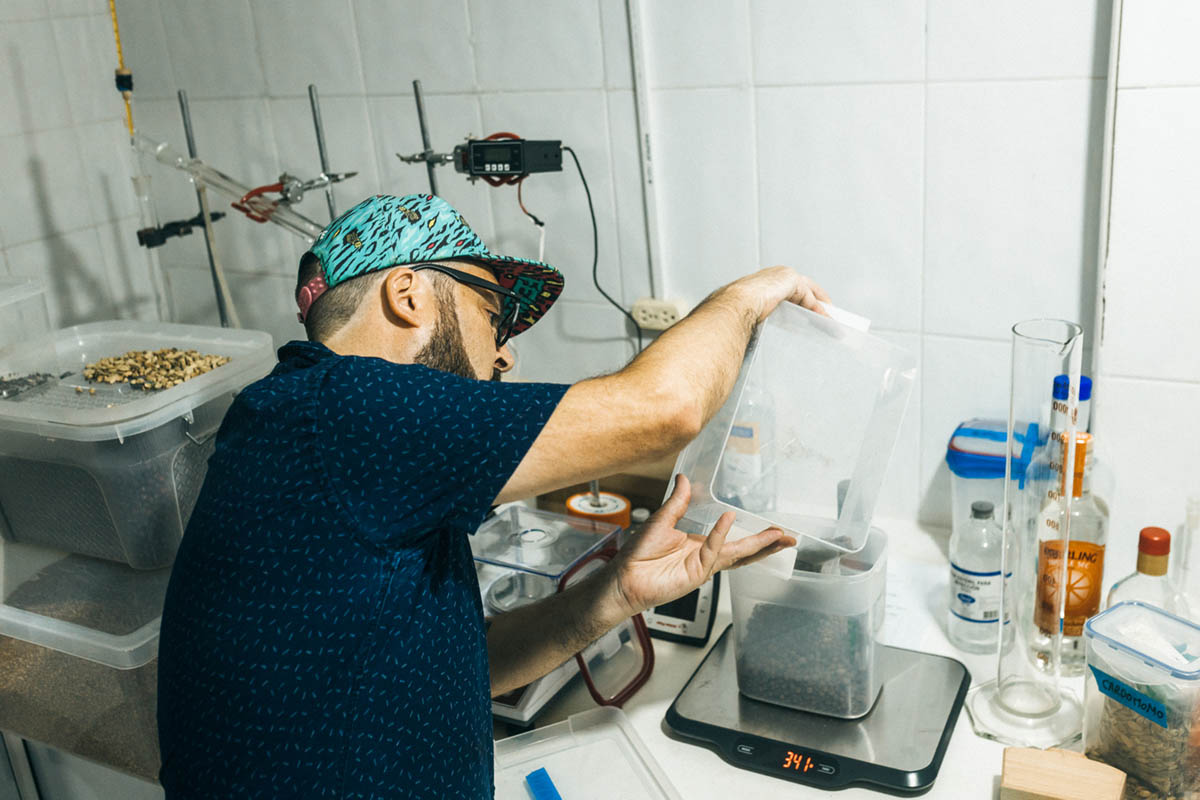
For whatever process, you can go to your appointment having printed-out every document you were asked to gather, signed and stamped in triplicate, only to get a different clerk from the last visit who then proceeds to ask for a completely different set of paperwork! Needless to say I’ve done a lot of swearing under my breath (sometimes in English, sometimes in Spanish) and developed a lot of grey hairs in the process. While these systems may seem on the surface to be merely ill-thought-out and illogical, they are actually cleverly designed traps that can only be gotten out of by paying a ‘palanca’ (bribe), at which point you can walk right through. A friend was once refused entry into Colombia because there was a small tear on their passport, although they had been using the passport all around the world without any issues. While you would think that a country ostensibly so obsessed with precision in paperwork would also run like clockwork – a kind of Switzerland of South America – that’s where you’d be wrong.
I can’t speak for the rest of the world, but in Colombia it’s quite obvious that the big liquor distributors have made it extremely hard for independent brands to get a foothold. The bartenders have become spoiled by freebies and the bars by exaggerated discounts, which you can only offer if you have a large portfolio and are willing to take a hit on one or two brands to benefit the others. The liquor tax here is also very high, representing about 40% of the industry bottle price. Being the first national gin in the country meant that we were able to get a bit more traction but I’ve seen several other great quality products fizzle out, or not even leave the drawing board, due to interminable paperwork delays. The market is not easy and the bureaucracy is suffocating, especially when the various government departments (that are supposed to promote commerce) look for loopholes to block independent products, ensuring their, often inferior quality, products dominate the market. One holiday period, we were blocked from legalizing a whole pallet of product to Bogotá because the government department in question claimed we were committing fraud. Their justification was that the address on the paperwork was missing a space in the street name! We eventually solved the issue but the government bureaucrats managed to delay the shipment by three weeks at peak season, losing us a lot of sales and reflecting badly on the brand. It’s those kinds of endless abuses of tricky loopholes by the monopolistic government departments that explains why there wasn’t a national gin when I arrived in Colombia, and why to date there are very few independent liquor brands.
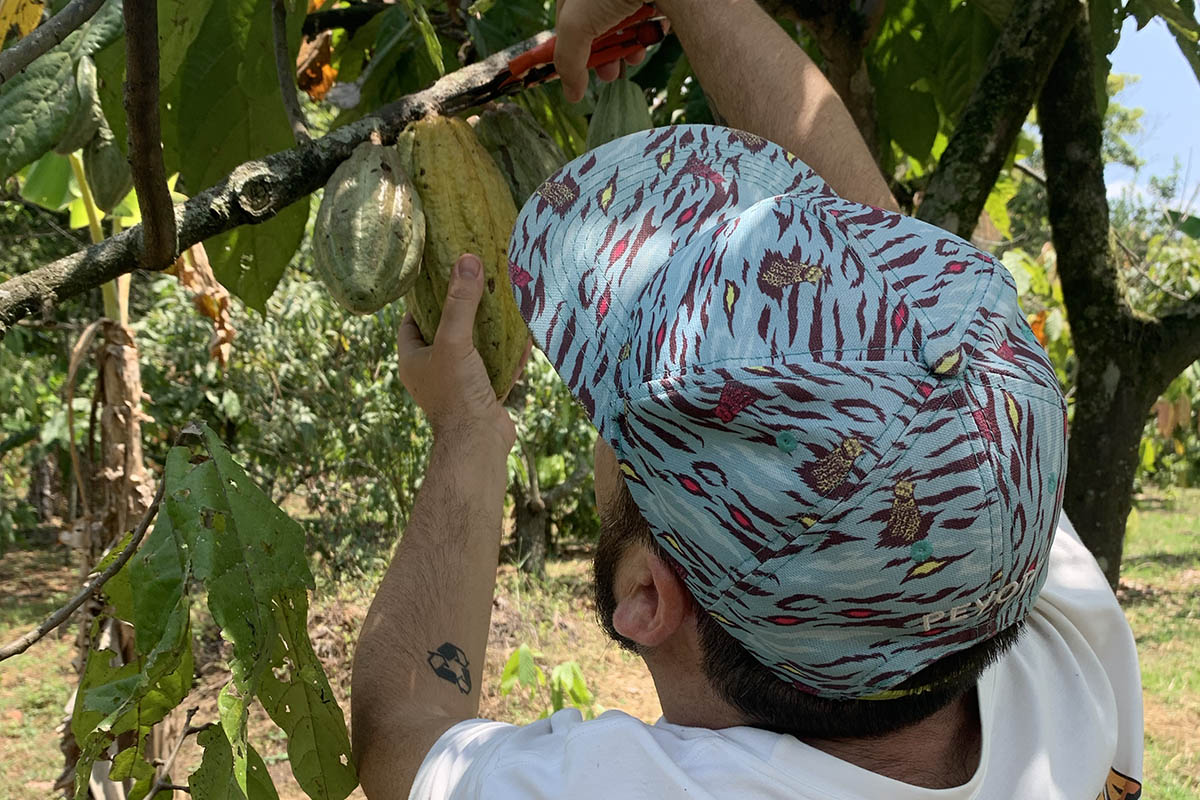
Despite all these barriers we’ve managed to launch the gin nationally and internationally, win several silver and gold medals in various spirits competitions and make a quality gin that people enjoy and reflects the biodiversity of Colombia. You could say that I finally managed my goal of stepping away from bartending, only to end up on the distilling and distribution side of the business. A logical step I guess, albeit an unanticipated one. It’s now been just over seven years in the project, and although frustrating at times, the experience has been rewarding and definitely without any dull moments. I’ve overseen the recipe development and all the distillations, the launch of the gin and the export and growth of the brand, while gradually trying to improve my Spanish. Now we are selling all over Colombia and exporting to the U.S., Costa Rica and Switzerland… with Canada hopefully on the cards soon, as soon as this Trump tariff mess gets sorted out and the importing agencies are operating as normal again.
Originally published September 21st, 2026
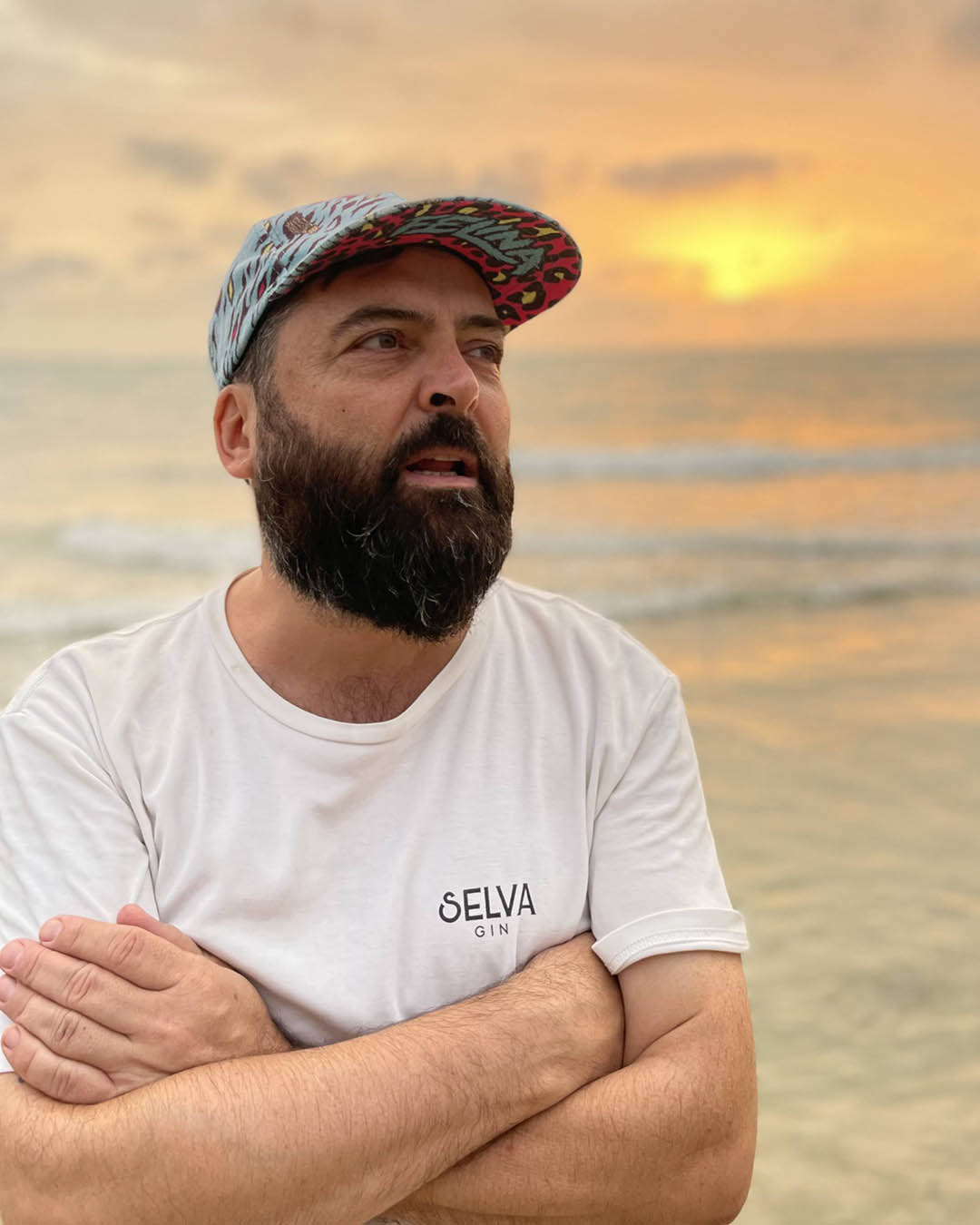
Vincent Pollard (originally from Brighton, England) bartended in Toronto for a decade before moving to Colombia to become a gin distiller. He was also Assistant Editor at Exclaim! Magazine and a freelance writer for outlets such as Thump (Vice), MUTEK and published the cocktail book “Behind Bars” in 2020 for Prestel (Random House) in New York and London. Now based in Cartagena de Indias, Vincent is co-owner and distiller of Selva Gin, Colombia’s first London Dry Gin.


